Projects

Case studies, from Amazon to open source.

The problem, what I decided and what came of it. Company cases leave out confidential figures: the numbers shown are the ones on my résumé, in Experience.

Product work at companies

Amazon / API product

Spider

Problem

Amazon's supply chain software was built for the United States, where sales tax is added on top of the price. In Brazil, tax is part of the price, so it is a cost to the company, and it changes from state to state. The systems were miscalculating what it cost to ship a product from each warehouse.

My role

When I joined, Spider was a project that touched a single supply chain system. I was hired to turn it into a product: an API that other systems consult to get that calculation right.

What I did

I wrote the product vision and a three-year plan, and PRFAQs for new features. I created a discovery framework and KPIs, and used the metrics to find new opportunities, such as better caching and new transfer routes. The product depended on many stakeholders, so I set up one communication mechanism per audience, from a short monthly report for leadership to weekly meetings with the direct team, aligning operations, business, tax, finance and technology.

Outcome

Spider increased Amazon Brazil's yearly profitability by USD 11MM, and its impact grew 4.5 times in one year. What I took from it: a product vision does most of the work of aligning stakeholders.
AutoNation / Internal platform

Configurable fee system

Problem

The fees charged by AutoNation's mobile service were hardcoded. Launching or changing a fee required engineering work.

My role

It started as a single task. I interviewed stakeholders and grew it into a product vision. Having worked with tax at Amazon helped me make the case to leadership.

What I did

I designed a fee model that finance configures without code. A fee can apply to a whole repair order, a repair or a component; be a fixed amount or a percentage of the total, of labor or of parts; and follow rules by state, customer type, partner and validity dates. Permissions follow roles: finance creates fees, account managers assign them to fleets, and operations adjusts them on an order. I also wrote the role-based training, the launch announcement and the demo.

Outcome

Launched in January 2025. Business teams now launch and adjust fees on their own, and fee-based revenue rose by up to 587%. On the same team I led the Mobile Service Partner API from zero to its first customer, including how quotes are exposed to partners: fully quoted, a price range, or pending.

Stefanini Manufacturing / AI product discovery

Watchtower

Problem

Watchtower was a proposed AI product for industrial maintenance. My job was discovery: find out whether the problem was real and whether the company could build a product that solved it.

My role

I was the product manager, leading a team of five (developer, data scientist, sales, marketing and UX designer) and presenting the status to C-level executives every month.

What I did

I ran nine months of discovery. I tested demand with landing pages and ads from the first week, and interviewed maintenance teams, which led us to pivot the problem we were solving. I wrote a product vision, ran a Lean Inception, designed an MVP simpler than first planned, and studied the market and the competition.

Outcome

The discovery showed that a competitive product needed an AI accuracy that depends on a volume of data the company did not have, in a market filling up with cheaper solutions. I advised the C-level to discontinue the product before it was built, saving the cost of developing it.

Products I started

Cover illustration of a diar.ia.br edition
AI agents / Open source

diar.ia.br Studio

My role

I am the founder and editor of diar.ia.br, a weekday AI newsletter in Portuguese. I designed and built the pipeline that produces it.

Product

A public production pipeline on Claude Code that takes each edition from research to scheduling in six stages, with human review at two of them. Each edition reviews about 300 articles and publishes nine, and goes out at 6 a.m., Monday to Friday.

How it works

40 specialized AI agents and 44 skills, integrated with 20+ external APIs and 8 MCP servers. Built in TypeScript on Node, with typecheck, unit tests and an end-to-end smoke test on every pull request.

Outcomes

I automated the work previously done by a team member. The newsletter reaches 150,000+ people a month across its own audience and partner audiences.

Augmented reality / Open source

Jandig

My role

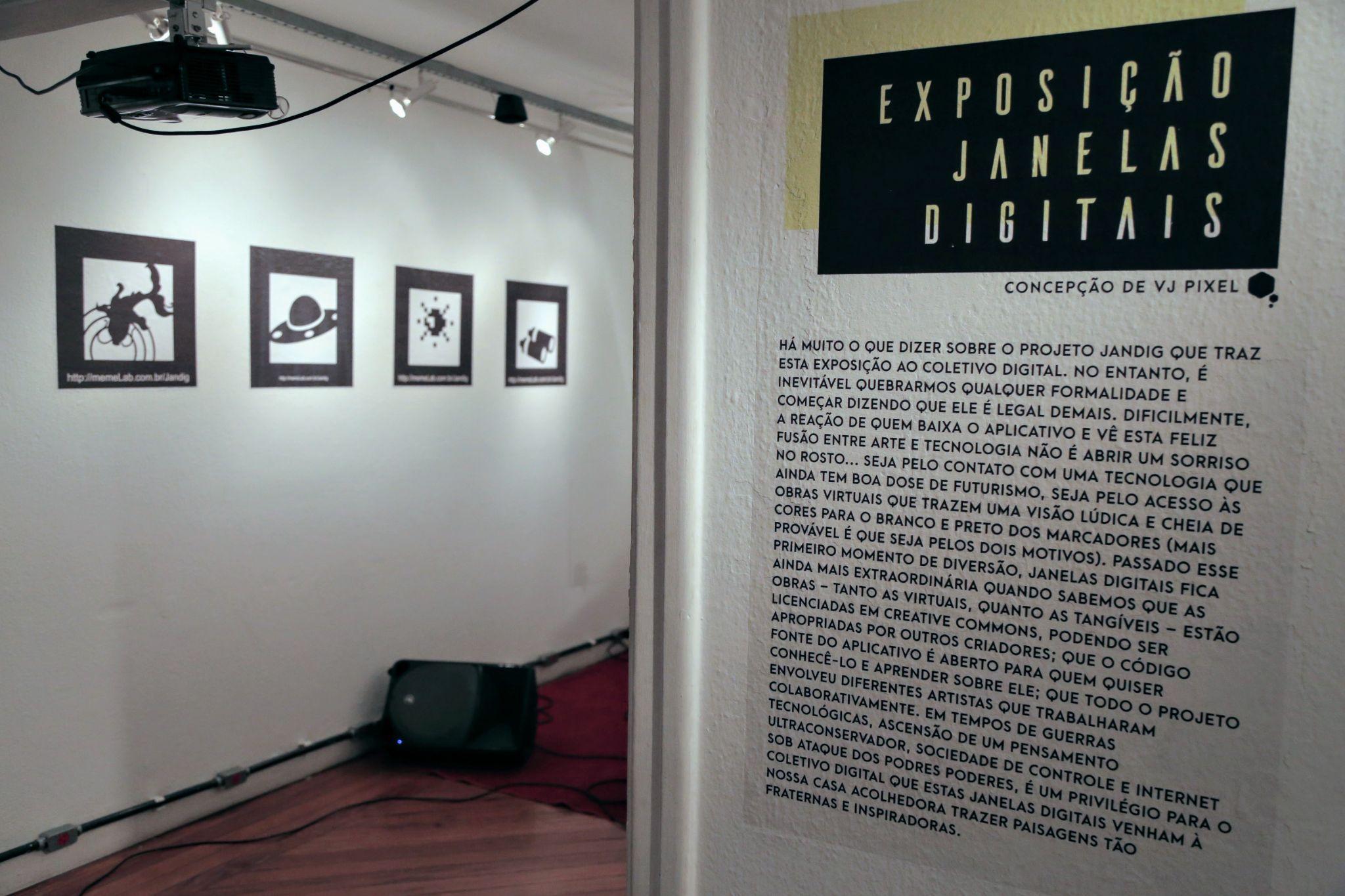
I started Jandig in 2011: researched its feasibility, negotiated the first two exhibitions, and ran weekly meetings with a small group that built the app, the website and an open call for digital artworks. In 2018 I pitched it at MozFest in London, winning a Mozilla Seed Award. I still lead product, community and technical coordination.

Product

An open-source augmented reality platform for people who do not code. It runs in a standard mobile browser, with no app to install, and a first-time user takes about 12 minutes to publish a work.

Evolution

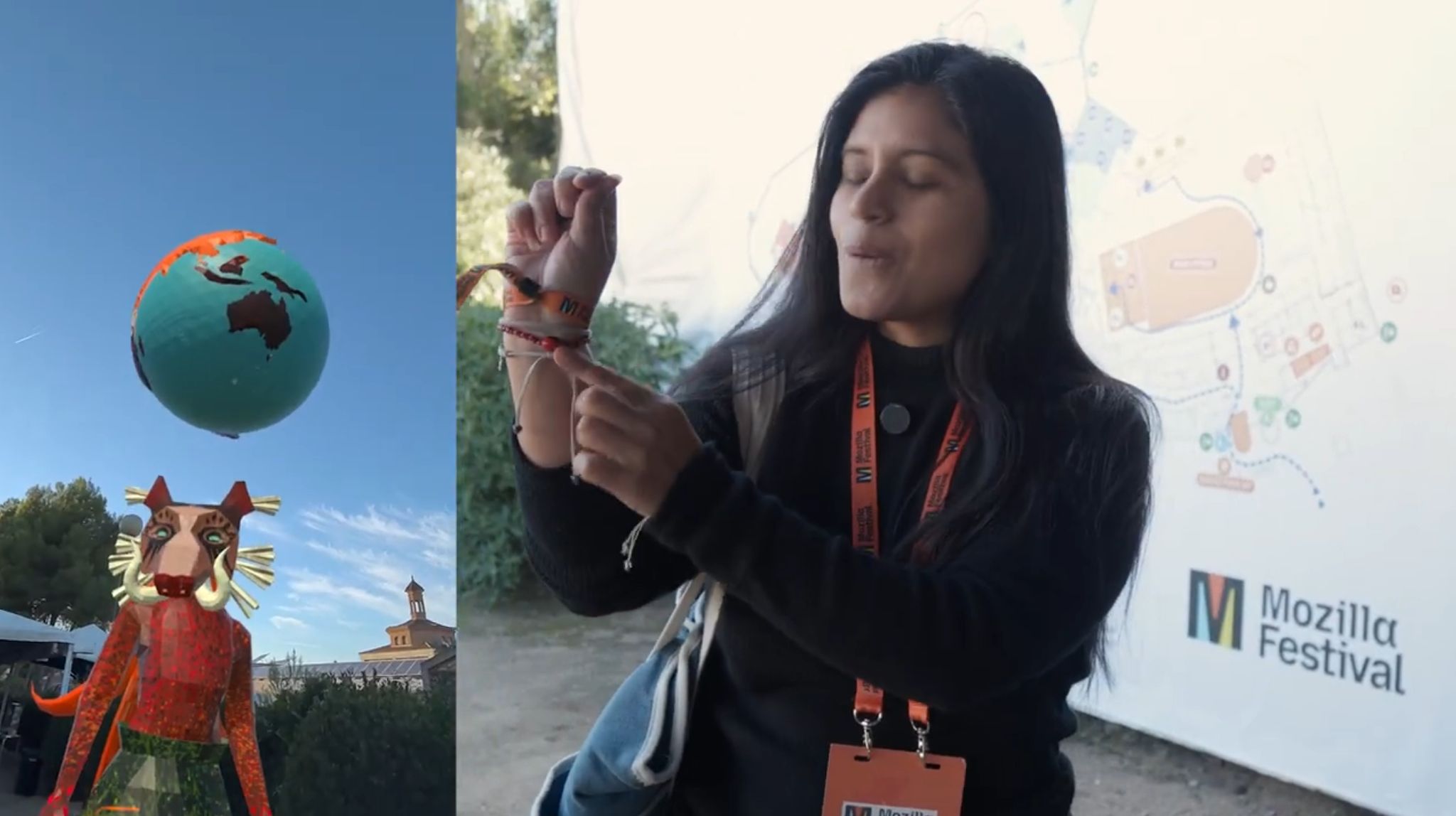
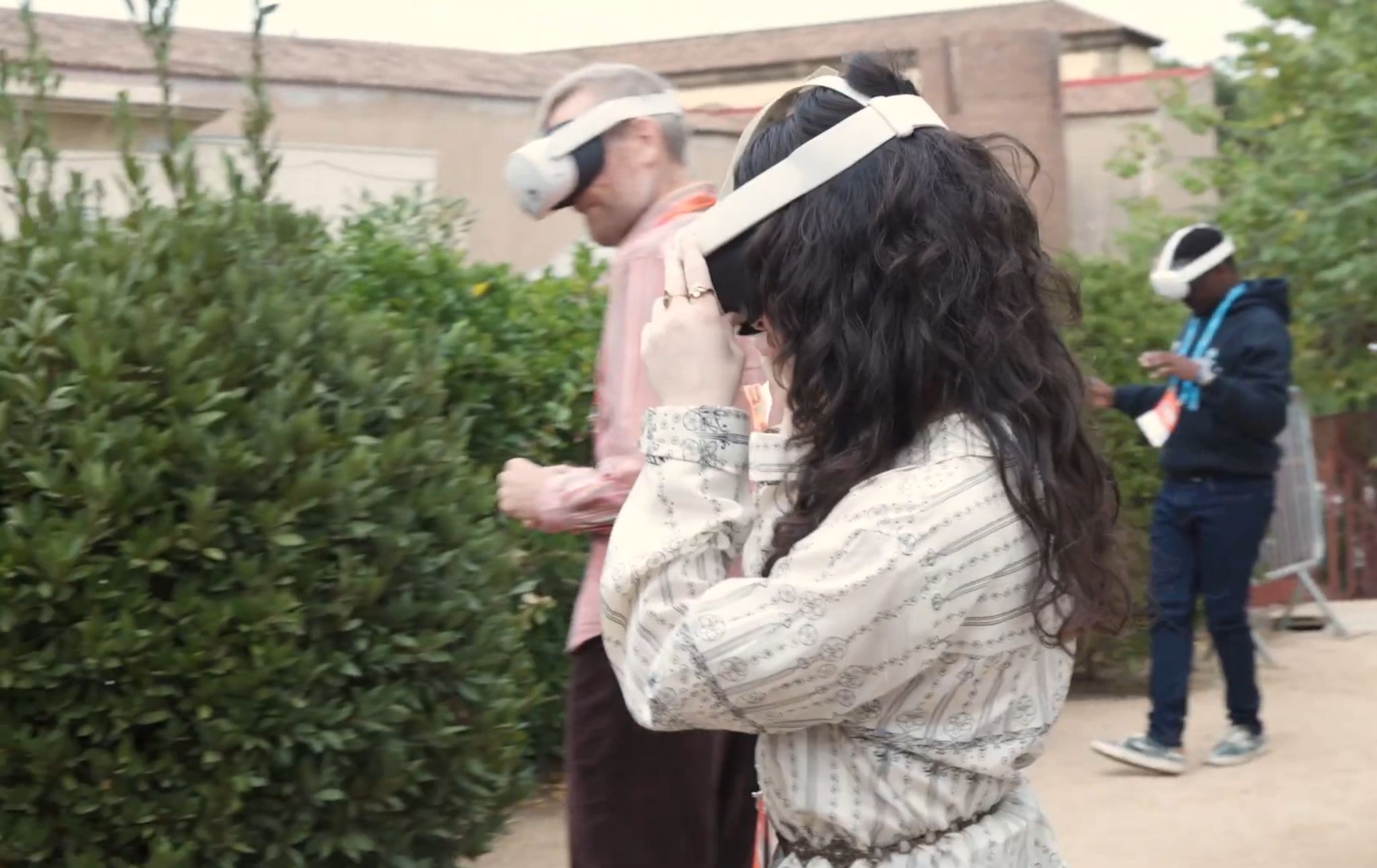
The first marker was pasted in November 2011. Low-cost phones of the time could not keep up, so the team paused the project and resumed it in 2017. The platform launched in 2019. In 2025 we began a mixed reality viewer for Meta Quest, first shown at Mozilla Festival in Barcelona. See the talks.

Outcomes

More than 7,200 active users in the 12 months to July 2026. Used in a Rosas de Ouro carnival parade in São Paulo at the invitation of USP, by more than 200 UEMG students over three years, and in a Sesc arts circuit across nine cities. Mozilla Open Source Support Award and Software Livres Culturais award (2018). Selected by Anthropic for the Claude for Open Source Program (2026).

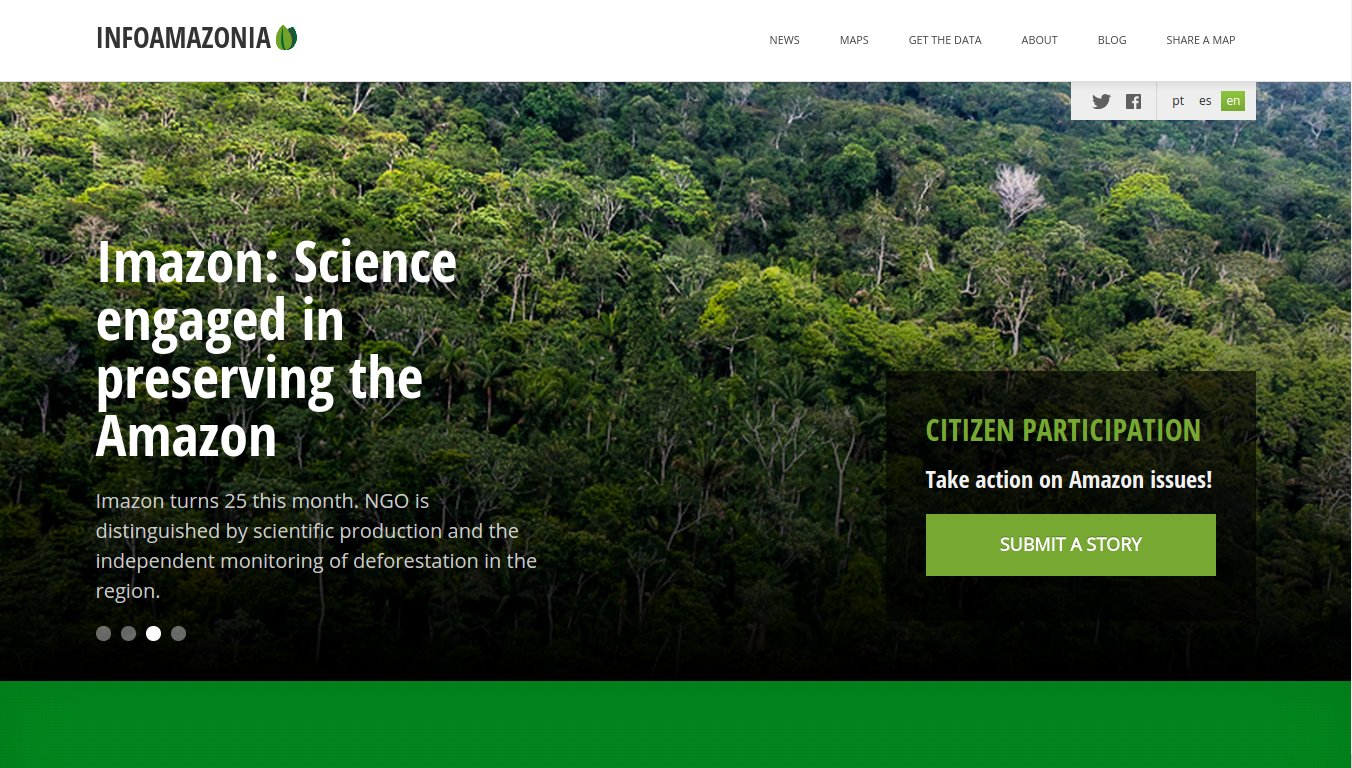
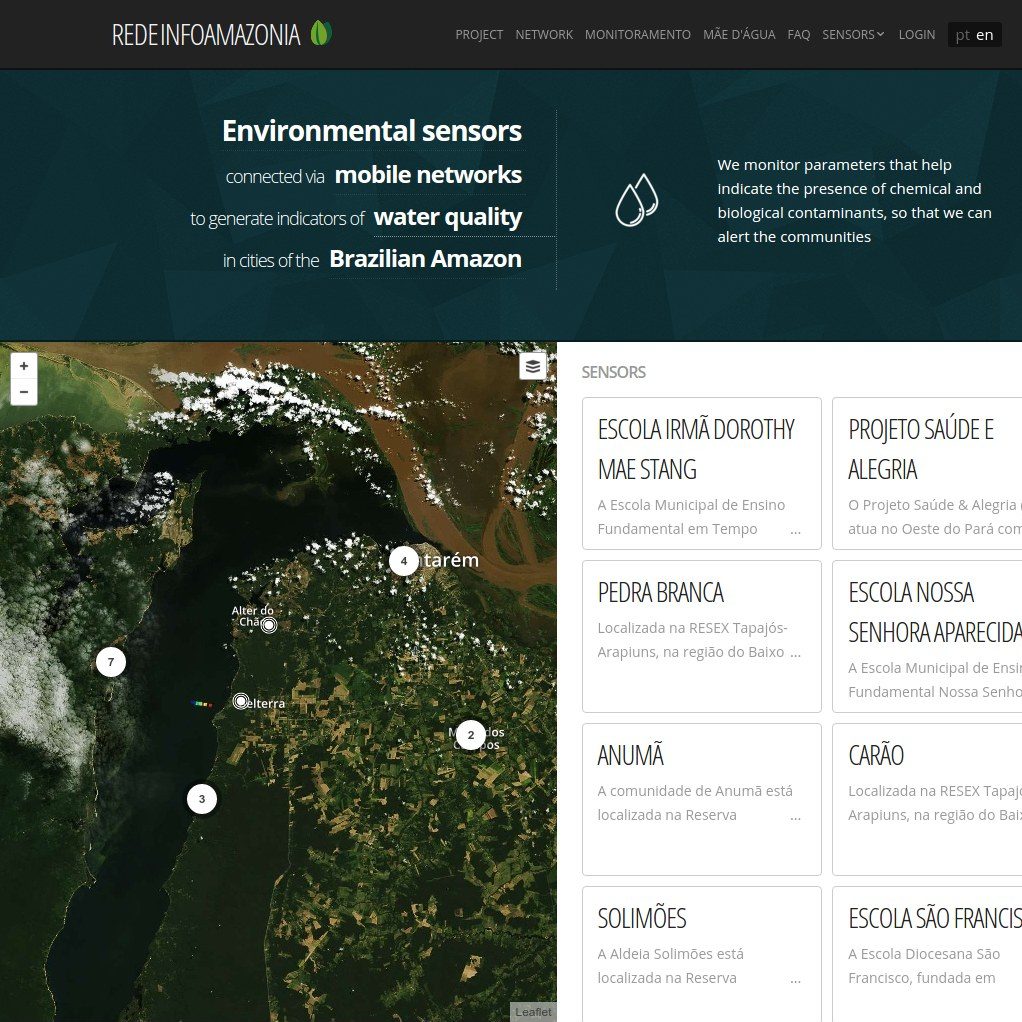
InfoAmazonia home page in 2015, built on Jeo
Geojournalism / Open-source platform

Jeo

My role

InfoAmazonia already existed when I joined: I was hired as a consultant to diagnose its platform and propose improvements. From that work I conceived Jeo, made the case for building it, and led its development, later heading product and technology with a team of designers, engineers and data analysts.

Product

An open-source geojournalism platform for WordPress: news stories geo-referenced on maps. It grew out of the system behind InfoAmazonia, which aggregates news in Portuguese, Spanish and English from partners and the public.

Evolution

Before, InfoAmazonia ran on a manual Jekyll-based system that generated static content published straight to a Git repository, without even a search box. With no budget to maintain a proprietary platform long term, I proposed an open-source WordPress theme and a community around it, so that the cost of maintenance would be shared. That became Jeo.

Outcomes

InfoAmazonia's pageviews grew by up to 400% in one year. In its first year, Jeo was forked by 10 developers and gave rise to five new geojournalism platforms. I coordinated its adaptation for newsrooms on three continents, including Ekuatorial (Indonesia), LandQuest (Kenya) and Oxpeckers (South Africa); InfoNile (Nile Basin) adopted it later. It is still maintained as a WordPress plugin, and InfoAmazonia still runs on it.

Open hardware / IoT

Rede InfoAmazonia

My role

The idea was mine. I presented it to the InfoAmazonia team, led the proposal submitted to Google, planned the project, hired the team, managed hardware and software development, led the test deployment and managed the partnerships.

Product

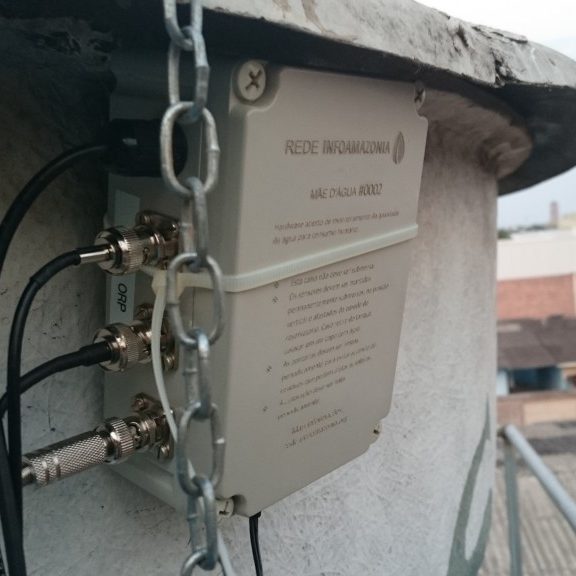
Mãe d'Água, an open-source, modular device that measures water quality every hour (pH, ORP, conductivity and temperature) and sends the data over the mobile network. The software was designed for three audiences: an API for developers, a web interface with history for scientists, and SMS alerts for communities. The device cost under USD 2,000 when the cheapest commercial equipment for real-time monitoring cost more than USD 4,000.

Evolution

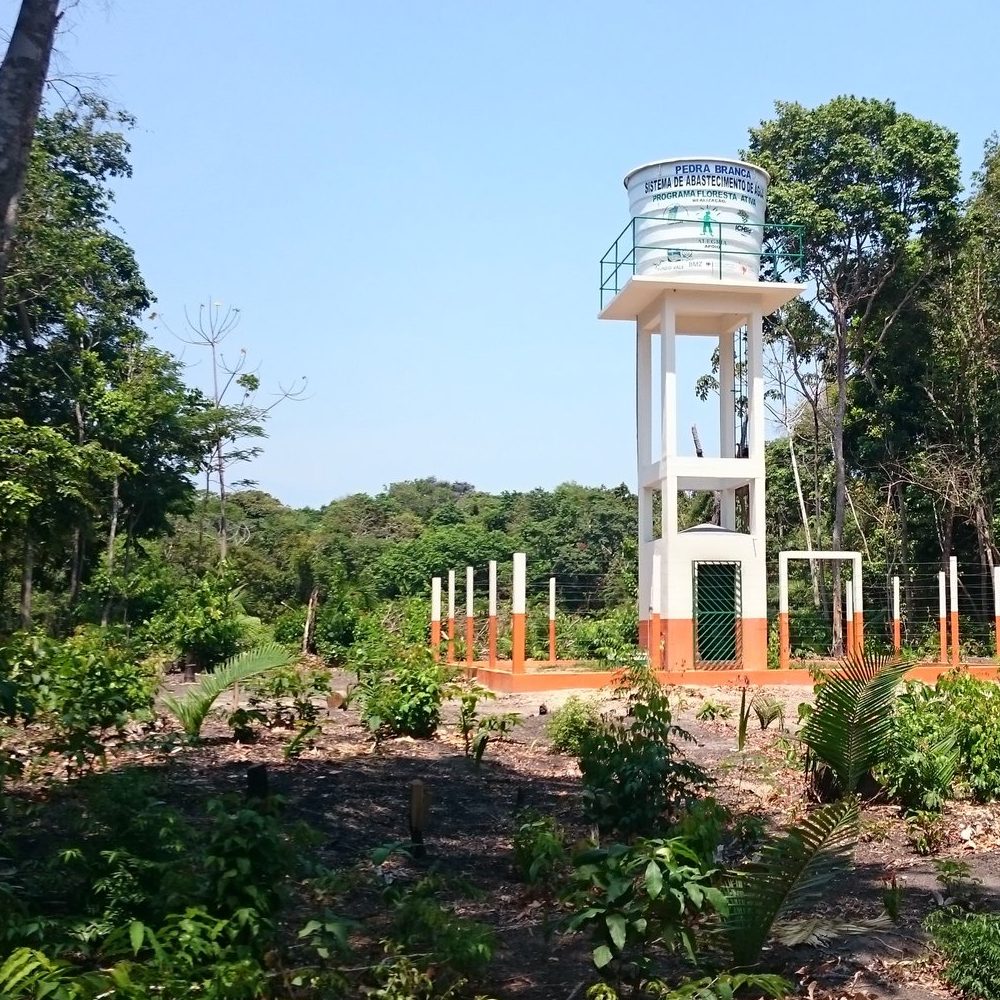
One of the 10 projects funded among 800+ applicants to Google Impact Challenge Brazil 2014. A specialist told me that giving communities a direct verdict on their water was not feasible, so I changed the scope: the sensors raise an alert, and a partner university laboratory tests the water. In late 2015, the communities themselves installed the equipment at 18 points in three cities in Pará; two more went to São Paulo.

Outcomes

The Google funding sustained the project for two years. The technology was used in research at six Brazilian public universities and institutes and in a master's thesis, and it inspired groups in Spain and China to build their own open-source water monitors. I was invited to present it at open science events in Brazil, Chile, China and the USA.

More projects

2019 to today

X-Reality USP

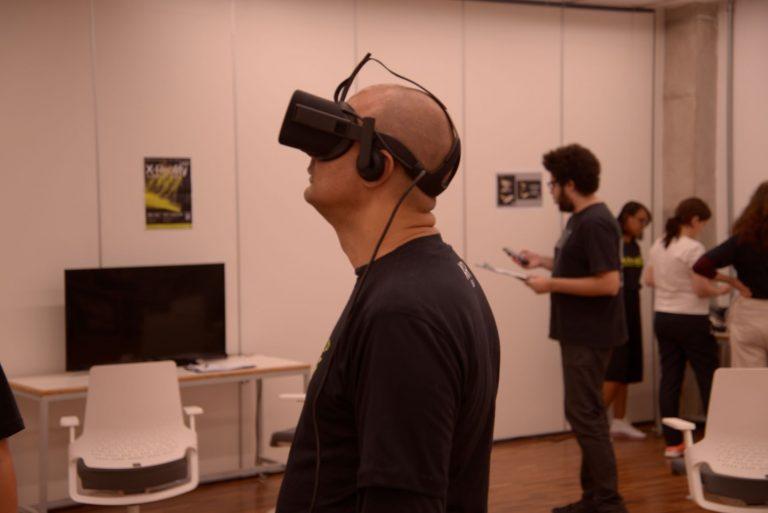
A festival of extended reality at the University of São Paulo, born from a partnership I proposed between USP and London's Raindance festival. I have been one of its curators since the first edition, and on the opening panel of every edition: 2019, 2021, 2022, 2024 and 2026.

2025 to 2026

Extended Mythology

Brazilian myths such as Curupira and Saci retold in mixed reality as socio-environmental warnings, with an educational kit. Funded by São Paulo's ProAC program, it produced Jandig's open-source viewer for Meta Quest. jandig.app/me

2017

AdvoHelp

A legal-tech startup with an app that finds, in real time, a lawyer who is already at the courthouse. As CTO, I led the proposal that took it into the Lemonade pre-accelerator, where it won the Best Team award.

2015

Rede Código Urbano

Built during the Red Bull Basement hacker residency: a platform that brings air and water monitoring together, drawing on my earlier sensor projects. Code on GitHub

2014

Chronica Mobilis

A geolocated interactive performance with game dynamics, created by a team of Brazilian and Spanish artists during a residency at Hangar, in Barcelona. Teams in the streets and at a base rebuild a character's memories.

2012 to 2013

Incubadora

A theater play in which the audience steers the narrative from their phones. memeLab directed the technology and built the app.

2011

Photolink

Photos sent by the public, projected as a mosaic by 24 projectors along more than 100 meters at São Paulo's Virada Cultural.

2004 to 2010

Public-sector digital inclusion

Brazilian federal and state programs: Cultura Digital at the Ministry of Culture, Casa Brasil, Territórios Digitais and AcessaSP. I helped design projects and coordinated technology teams and workshops in several states.

memeLab experiments

memeLab, the extended reality lab I ran from 2009 to 2020, produced 10+ experiments across AR, VR and MR. A few records:

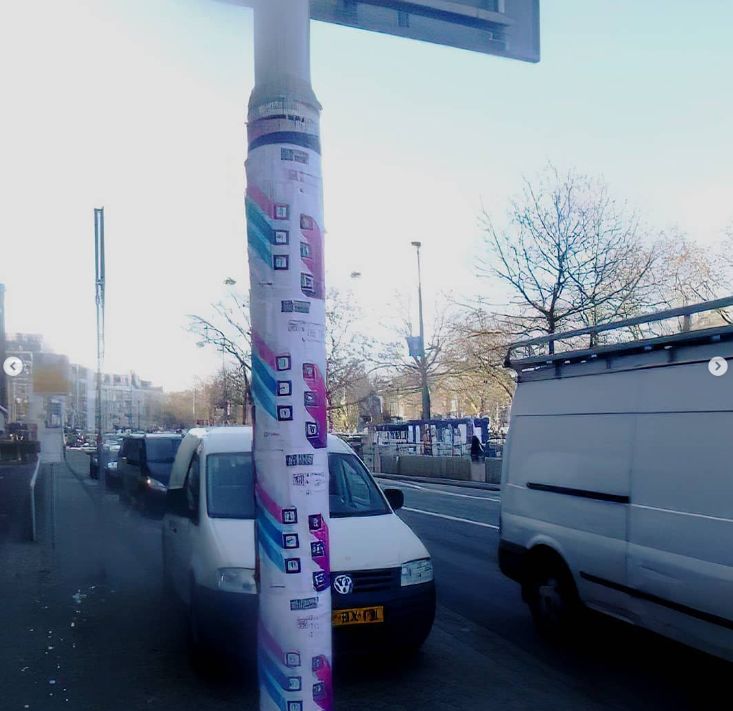
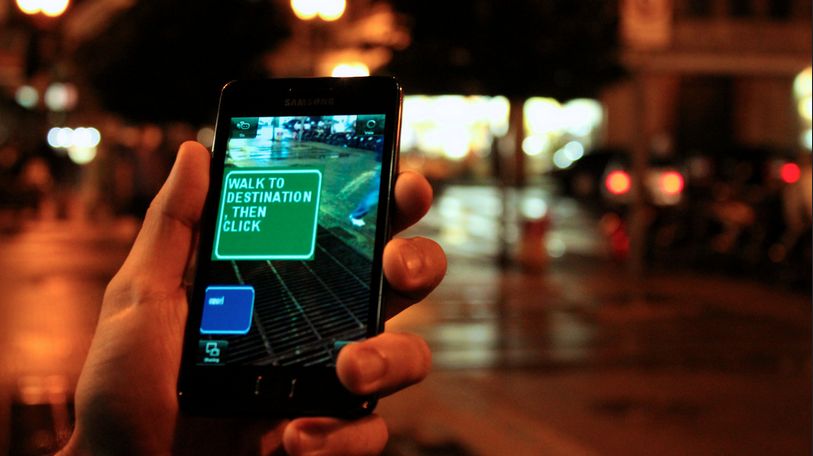
Narrative Navigation, an augmented reality app for urban wayfinding, created in a residency at NIMk in Amsterdam

Narrative Navigation, an augmented reality app for urban wayfinding, created in a residency at NIMk in Amsterdam

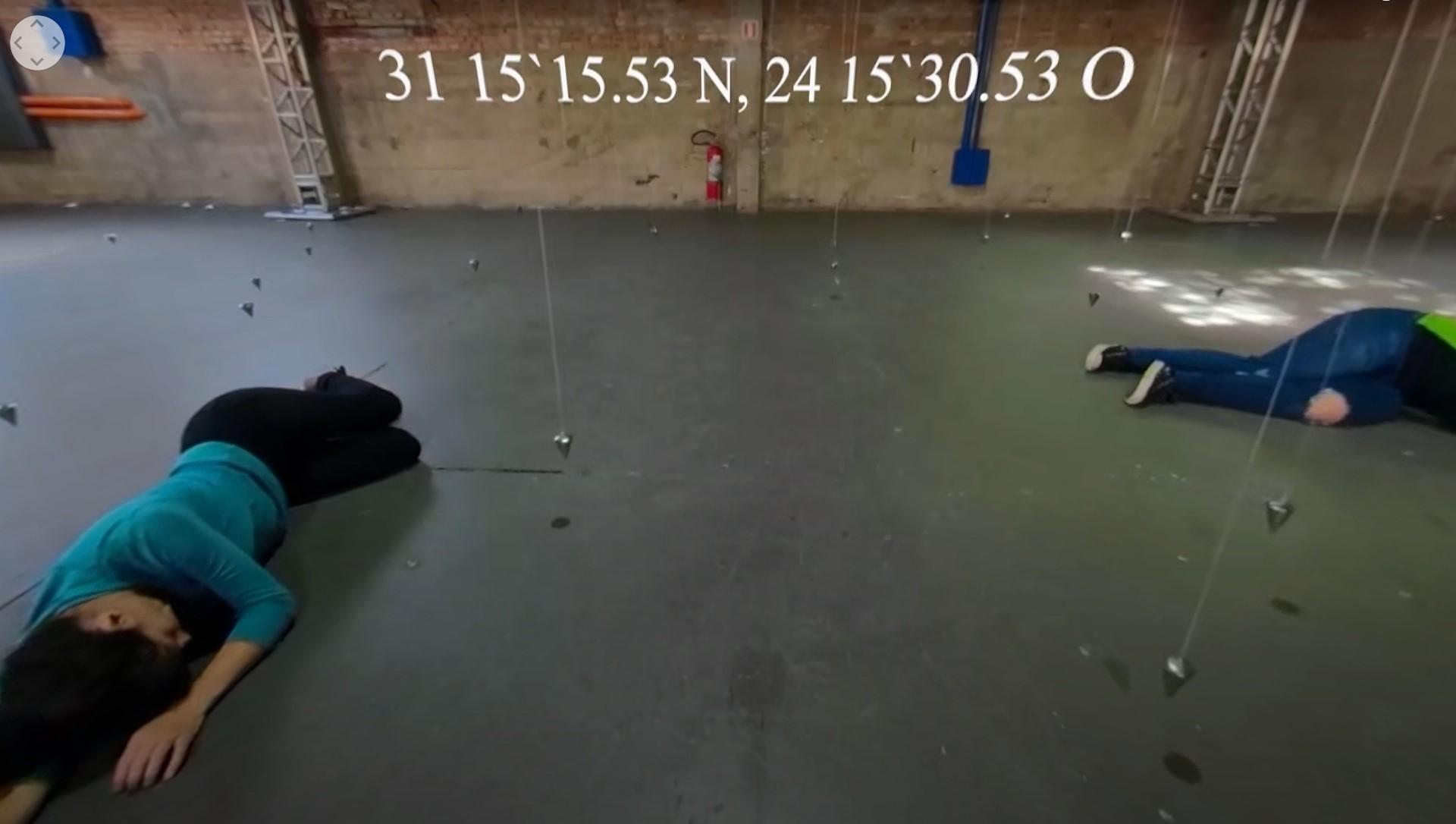
Coordenadas 31 15'15.53 N, 24 15'30.53 O (2019), a 360° short film shown at festivals in France, Peru and Brazil

Coordenadas 31 15'15.53 N, 24 15'30.53 O (2019), a 360° short film shown at festivals in France, Peru and Brazil

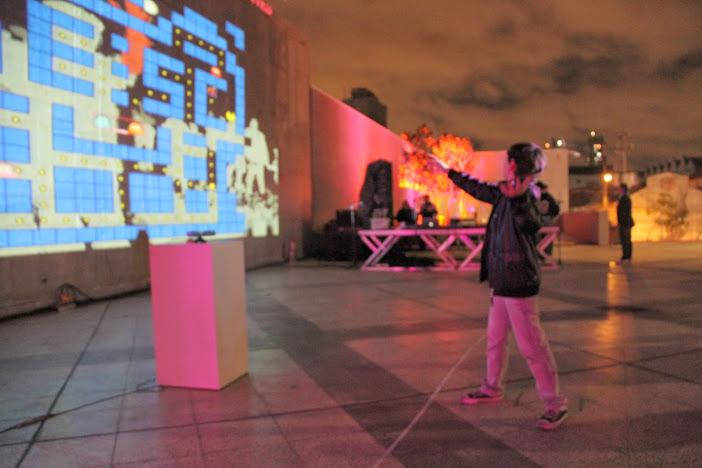
New/Old Games, a giant projected Pac-Man controlled by body movement

New/Old Games, a giant projected Pac-Man controlled by body movement

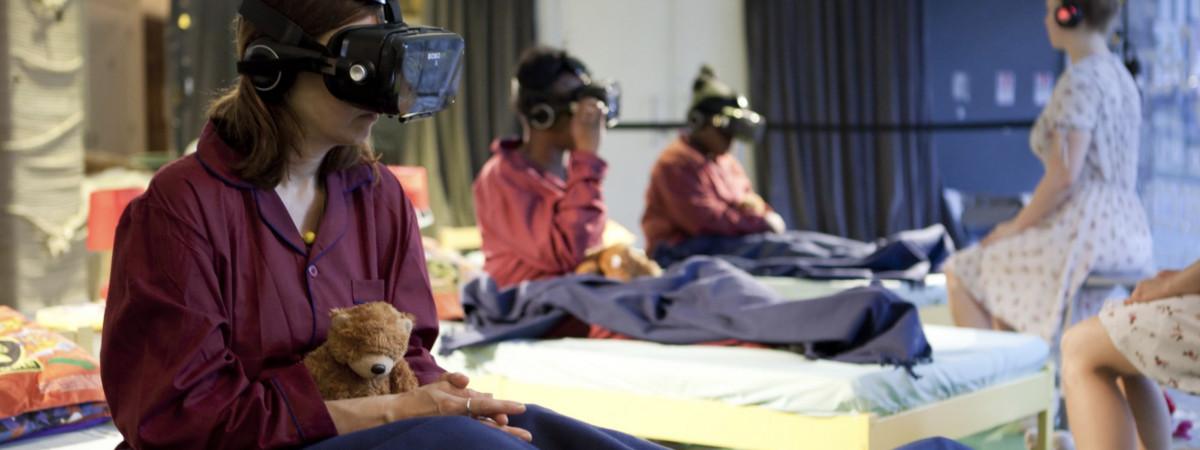
Goodnight, Sleep Tight, a virtual reality performance by ZU-UK, for which memeLab directed the 360° video

Goodnight, Sleep Tight, a virtual reality performance by ZU-UK, for which memeLab directed the 360° video

VR headset demo at the X-Reality festival

VR headset demo at the X-Reality festival

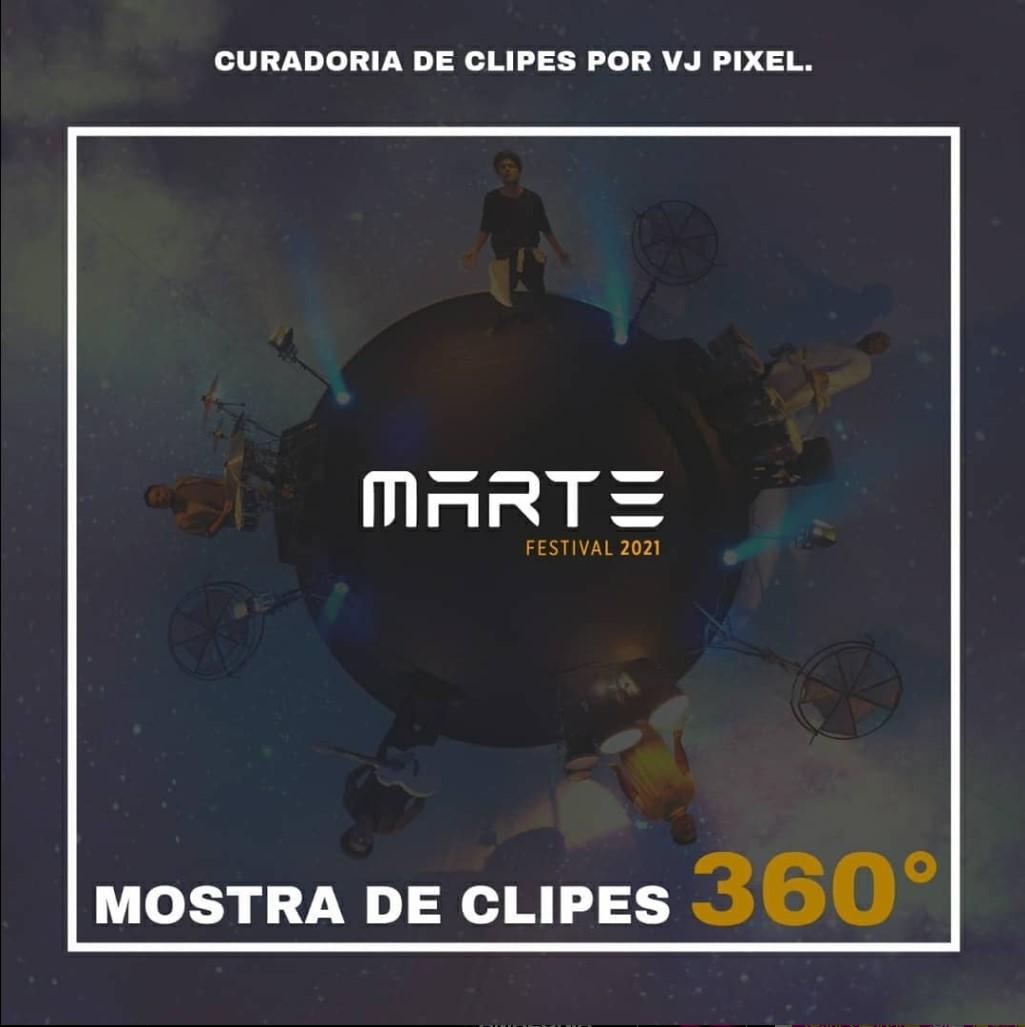
360° video showcase at Festival MARTE

360° video showcase at Festival MARTE